Like us on facebook
Follow us on twitter
review us on google

Heel Pain in Older Adults

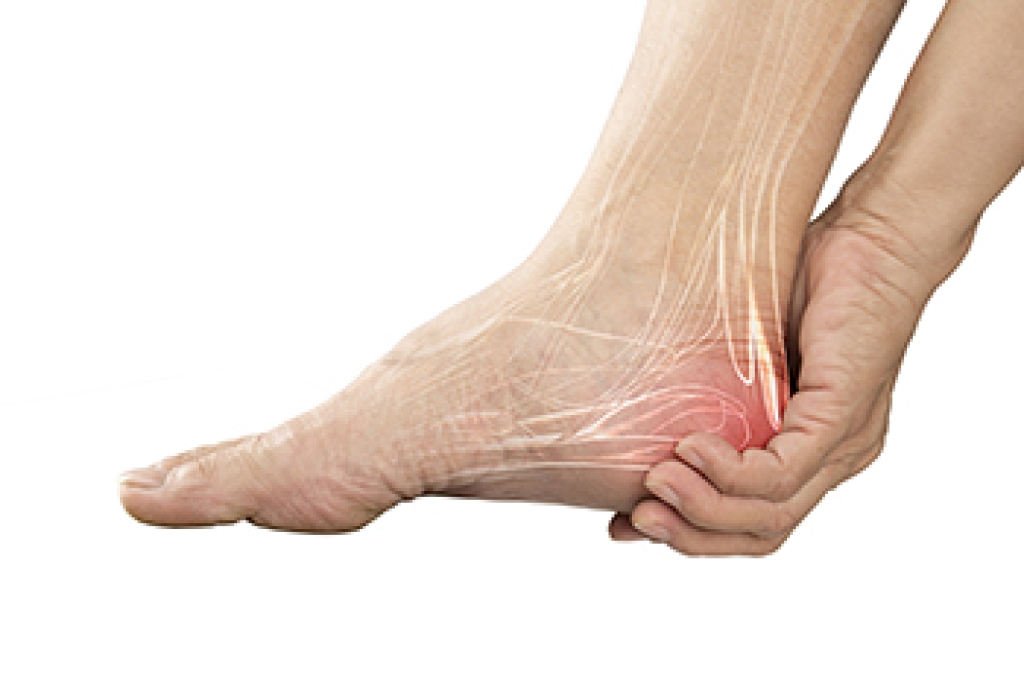
Heel pain in older adults often stems from age-related changes in the feet, including soft tissue degeneration, reduced bone density, and long-standing biomechanical stress. A frequent cause is plantar fasciitis, an inflammatory condition of the plantar fascia that commonly produces sharp pain with the first steps after rest. Heel spurs may develop beneath the calcaneus, or heel bone, and can contribute to additional discomfort. Achilles tendinitis may cause pain at the back of the heel due to overuse or limited flexibility, while arthritis in the rearfoot or midfoot joints can create stiffness and reduced mobility. Seniors are also at increased risk for calcaneal stress fractures, retrocalcaneal bursitis, and heel pad atrophy, which results from thinning of the natural cushioning under the heel. Nerve conditions such as tarsal tunnel syndrome or peripheral neuropathy may cause burning or tingling heel pain. If you have ongoing heel pain, it is suggested that you make an appointment with a podiatrist to determine the underlying cause and select appropriate treatment.

Many people suffer from bouts of heel pain. For more information, contact Vincent, Vess of Fourth River Foot & Ankle. Our doctor can provide the care you need to keep you pain-free and on your feet.

Causes of Heel Pain

Heel pain is often associated with plantar fasciitis. The plantar fascia is a band of tissues that extends along the bottom of the foot. A rip or tear in this ligament can cause inflammation of the tissue.

Achilles tendonitis is another cause of heel pain. Inflammation of the Achilles tendon will cause pain from fractures and muscle tearing. Lack of flexibility is also another symptom.

Heel spurs are another cause of pain. When the tissues of the plantar fascia undergo a great deal of stress, it can lead to ligament separation from the heel bone, causing heel spurs.

Why Might Heel Pain Occur?

  • Wearing ill-fitting shoes                
  • Wearing non-supportive shoes
  • Weight change           
  • Excessive running

Treatments

Heel pain should be treated as soon as possible for immediate results. Keeping your feet in a stress-free environment will help. If you suffer from Achilles tendonitis or plantar fasciitis, applying ice will reduce the swelling. Stretching before an exercise like running will help the muscles. Using all these tips will help make heel pain a condition of the past.

If you have any questions, please feel free to contact our offices located in Pittsburgh, White Oak, and McKeesport,PA . We offer the newest diagnostic and treatment technologies for all your foot care needs.

Read more about Heel Pain

Toe Arthritis

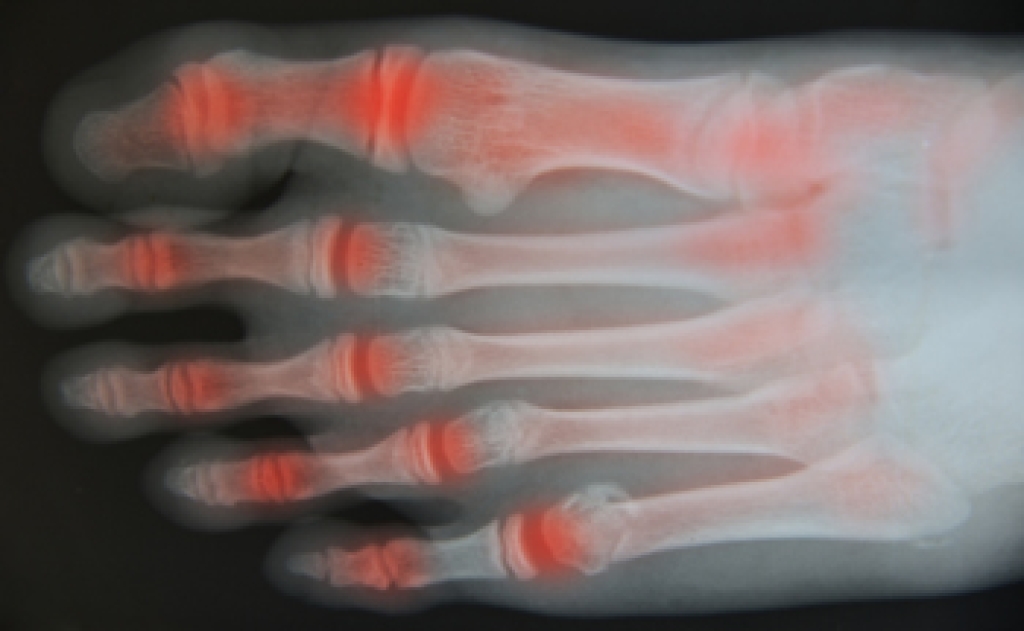
Arthritic pain and stiffness in the toes often develop gradually and can make walking, standing, or wearing shoes uncomfortable. Degenerative joint changes are a common cause, especially with aging, past injuries, repetitive stress, or long-standing foot mechanics that overload small joints. Inflammatory conditions and autoimmune disease may also affect the toe joints. Common signs include aching or burning discomfort, swelling, reduced range of motion, and difficulty pushing off while walking. Some people notice joint enlargement, altered toe position, or increased pain with cold weather or activity. Care focuses on reducing stress through footwear changes, activity modification, and custom orthotics to improve alignment. Anti-inflammatory strategies, targeted exercises, and injections may help manage symptoms. In advanced cases, surgical options can restore function or relieve pain. Early evaluation often prevents progression and protects mobility. If you feel pain or stiffness in your toes, it is suggested that you see a podiatrist for a proper evaluation and treatment options.

Arthritis can be a difficult condition to live with. If you are seeking treatment, contact Vincent, Vess from Fourth River Foot & Ankle. Our doctor can provide the care you need to keep you pain-free and on your feet.

Arthritic Foot Care  

Arthritis is a term that is commonly used to describe joint pain.  The condition itself can occur to anyone of any age, race, or gender, and there are over 100 types of it.  Nevertheless, arthritis is more commonly found in women compared to men, and it is also more prevalent in those who are overweight. The causes of arthritis vary depending on which type of arthritis you have. Osteoarthritis for example, is often caused by injury, while rheumatoid arthritis is caused by a misdirected immune system.

Symptoms

  • Swelling
  • Pain
  • Stiffness
  • Decreased Range of Motion

Arthritic symptoms range in severity, and they may come and go. Some symptoms stay the same for several years but could potentially get worse with time. Severe cases of arthritis can prevent its sufferers from performing daily activities and make walking difficult.

Risk Factors

  • Occupation – Occupations requiring repetitive knee movements have been linked to osteoarthritis
  • Obesity – Excess weight can contribute to osteoarthritis development
  • Infection – Microbial agents can infect the joints and trigger arthritis
  • Joint Injuries – Damage to joints may lead to osteoarthritis
  • Age – Risk increases with age
  • Gender –Most types are more common in women
  • Genetics – Arthritis can be hereditary

If you suspect your arthritis is affecting your feet, it is crucial that you see a podiatrist immediately. Your doctor will be able to address your specific case and help you decide which treatment method is best for you.

If you have any questions please feel free to contact our offices located in Pittsburgh, White Oak, and McKeesport,PA . We offer the newest diagnostic tools and technology to treat your foot and ankle needs.

Read more about How to Care for Your Arthritic Foot
scroll to top