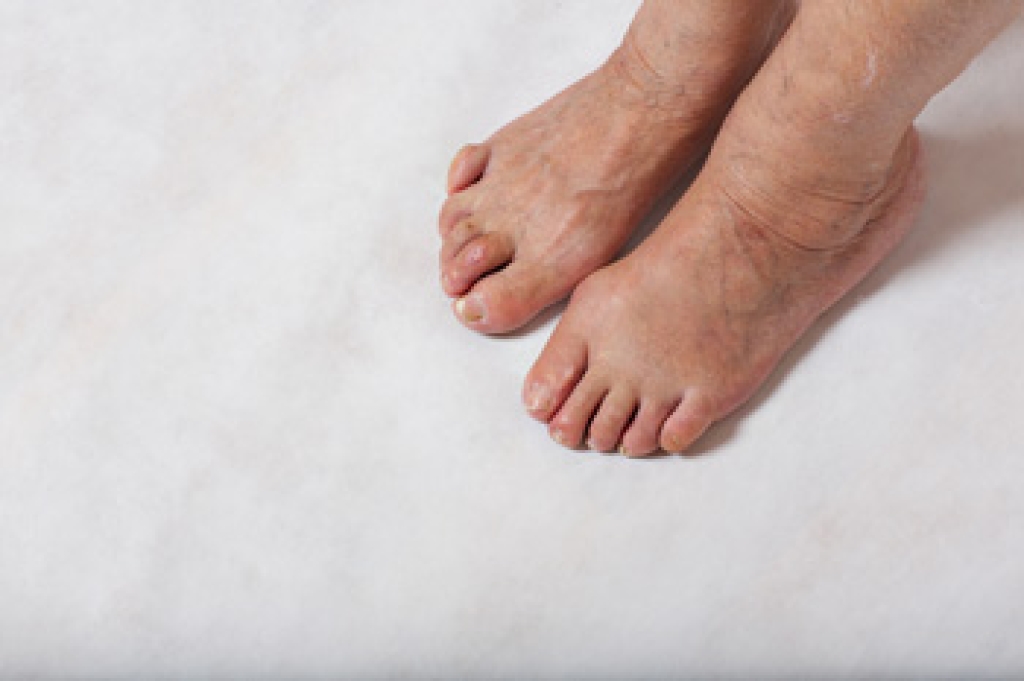
Plantar fasciitis causes pain in the bottom of the heel and arch of the foot. It develops when the plantar fascia, a strong band of tissue that supports the arch, becomes damaged and irritated. Many people experience sharp pain with their first steps in the morning or after periods of rest. While most patients improve with treatment provided by a podiatrist, a small number continue to have severe pain that affects daily activities. When symptoms remain intense and limit mobility, surgery may be considered. A podiatrist will carefully evaluate the foot and review previous treatment efforts before recommending an operation. Surgery for plantar fasciitis is usually reserved for cases that have not responded to other forms of care. This is especially true where pain interferes with work, exercise, or normal movement.
The most common procedure is called a plantar fasciotomy. During this surgery, part of the plantar fascia is released to reduce tension and relieve pain. The procedure can be performed through a traditional incision or with smaller surgical tools. A podiatrist will determine which approach is most appropriate based on the severity of the condition. The goal is to decrease strain on the damaged tissue while preserving foot function. As with any surgery, there are risks. These include continued pain, scar discomfort, and changes in the way the foot bears weight. For this reason, surgery is recommended only after a thorough examination and discussion of expected results.
Research has shown encouraging outcomes for many patients who undergo plantar fasciitis surgery. One long-term study found that most patients reported a major reduction in pain and were satisfied with the results years after the procedure. Greater success was seen in patients who had surgery earlier in the course of persistent symptoms. A podiatrist can explain the benefits, risks, and recovery process while helping patients decide whether surgery is an appropriate option. If you have extremely painful plantar fasciitis, it is suggested that you schedule an appointment with a podiatrist to discuss the benefits of this type of foot surgery.
Plantar fasciitis can be very painful and inconvenient. If you are experiencing heel pain or symptoms of plantar fasciitis, contact Vincent, Vess from Fourth River Foot & Ankle. Our doctor can provide the care you need to keep you pain-free and on your feet.
What Is Plantar Fasciitis?
Plantar fasciitis is the inflammation of the thick band of tissue that runs along the bottom of your foot, known as the plantar fascia, and causes mild to severe heel pain.
What Causes Plantar Fasciitis?
- Excessive running
- Non-supportive shoes
- Overpronation
- Repeated stretching and tearing of the plantar fascia
How Can It Be Treated?
- Conservative measures – anti-inflammatories, ice packs, stretching exercises, physical therapy, orthotic devices
- Shockwave therapy – sound waves are sent to the affected area to facilitate healing and are usually used for chronic cases of plantar fasciitis
- Surgery – usually only used as a last resort when all else fails. The plantar fascia can be surgically detached from the heel
While very treatable, plantar fasciitis is definitely not something that should be ignored. Especially in severe cases, speaking to your doctor right away is highly recommended to avoid complications and severe heel pain. Your podiatrist can work with you to provide the appropriate treatment options tailored to your condition.
If you have any questions, please feel free to contact our offices located in Pittsburgh, White Oak, and McKeesport,PA . We offer the newest diagnostic and treatment technologies for all your foot care needs.